DoctrineConfirmed

A “Questions From Readers” article released on 18 September 2026 leaves the use of red cells, white cells, plasma and platelets taken from another person — and the decision to donate blood so components or fractions can be made from it — to each member's conscience, and says the congregation “will not get involved in that decision.” Transfusions of whole blood, and donating blood for one, remain prohibited. It is the second change to the blood doctrine this year.
· September 18, 2026 · 9 min read
ScotlandConfirmed

Lord Braid's opinion of 20 August 2026 covers three petitions that reached Scotland's highest civil court within about two weeks. In two, brought by Greater Glasgow Health Board, Jehovah's Witness parents had refused blood; the court authorised a transfusion only if the treating clinician judged it necessary to avoid serious harm including death. The third, from Borders Health Board, records no religious objection: parents who prefer natural remedies refused a tetanus jab after the family dog bit their daughter. The judge recorded that all three sets of parents were “loving parents.”
· August 20, 2026 · 18 min read
A duty judge authorized transfusions on the basis of a fax the Court found 'very limited, incorrect and incomplete.'Confirmed
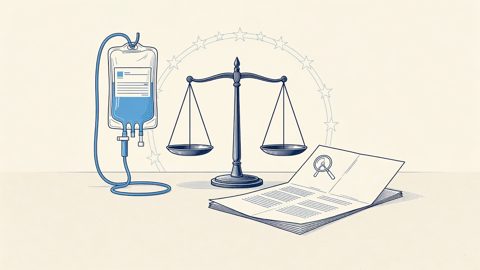
In Pindo Mulla v. Spain, the ECHR Grand Chamber unanimously found that Spain breached Rosa Edelmira Pindo Mulla's rights when a duty judge authorized three transfusions during emergency surgery despite her advance written refusals. The Court faulted the decision-making process, not the doctors' medical judgment.
· September 17, 2024 · 8 min read